Column · @hectorbvxl989
Residential Drain Cleaning Tacoma Tips to Prevent Clogs Before They Start
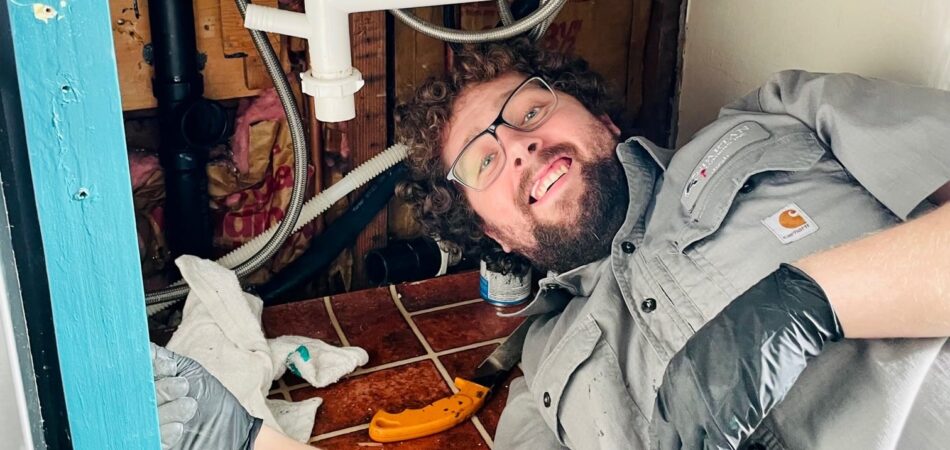
Most drain problems do not begin with a dramatic backup. They build slowly, one ordinary day at a time. A little grease goes down the kitchen sink after dinner. Soap scum thickens inside the shower line. Hair wraps around a rough spot in the pipe. Outside, wet weather pushes debris into downspouts and yard drains. Months later, the system finally protests, often at the worst possible time.
That pattern is familiar in homes across Tacoma. The mix of older housing stock, steady rain, tree growth, and everyday kitchen and bath use creates the kind of conditions where clogs can form quietly. By the time a sink gurgles or a tub starts holding water around your ankles, the buildup has usually been there for a while.
Good prevention is less about miracle products and more about understanding what your drains are dealing with. The homeowners who avoid repeat service calls usually do a few simple things consistently. They pay attention to what enters the drain, they recognize early warning signs, and they stop treating slow drainage as a minor annoyance.
Tacoma homes have a few predictable drain trouble spots
Every region has its own plumbing habits and headaches. In Tacoma, one common issue is a combination of mature landscaping and aging sewer lines. Tree roots naturally seek moisture, and even a small opening in an underground pipe can attract them. Once roots get in, they do not need much time to start trapping paper, grease, and waste.
Inside the home, kitchens usually cause the most preventable clogs. People tend to think hot water will carry everything away. It does not. Grease may look liquid in the pan, but once it cools inside the line, it sticks to pipe walls and narrows the opening. Add food particles over time and you have the makings of a stubborn blockage.
Bathrooms are Residential Drain Cleaning Tacoma close behind. Hair, soap residue, shaving cream, cotton swabs, and so called flushable wipes all create problems. A lot of homeowners are careful in the kitchen and then unknowingly abuse the bathroom plumbing. Toilets are especially unforgiving. They are designed to handle human waste and toilet paper, not wipes, paper towels, hygiene products, or anything marketed with vague flushing claims.
Then there is the weather factor. Tacoma gets long stretches of wet conditions, and exterior drainage matters more than many people realize. Leaves, needles, roof grit, and soil wash into drains and catch basins. If those outlets are already partially blocked, heavy rain exposes the weakness quickly. A backup in a basement utility sink or a soggy patch in the yard rarely comes out of nowhere.
The first rule is simple, your drains are not trash cans
That sounds obvious, but it is where most drain problems start. A residential plumbing system can move wastewater efficiently when it only handles what it was designed for. The moment a drain starts doing double duty as a disposal system, trouble follows.
The kitchen sink is the clearest example. Even homes with garbage disposals should be selective about what goes down. Disposals are not magic grinders that erase the laws of plumbing. They break food into smaller pieces, but those particles still travel through the pipes. Fibrous foods like celery, onion skins, corn husks, and potato peels can tangle and settle. Coffee grounds form a heavy sludge. Rice and pasta swell. Grease coats everything.
I have seen kitchen lines nearly closed off by a paste made from grease and starch alone. The homeowners were not reckless. They just rinsed pans, washed a little leftover food down the sink, and assumed regular dishwashing would clear it out. Over a year or two, that routine created a blockage that needed mechanical cleaning.
Bathroom sinks and tubs tell a similar story. Hair is the obvious culprit, but soap products deserve just as much blame. Thick conditioners, bath salts, shaving residue, and heavy body washes can cling to the inside of the trap and branch line. In homes with hard water, that buildup can combine with mineral scale and turn a smooth pipe into a sticky, rough interior that catches everything.
What should never go down a household drain
The safest approach is to keep disposal habits conservative. If there is any doubt, throw it away instead of washing it down.
- Cooking grease, oil, and fat
- Coffee grounds, eggshells, rice, and pasta
- Wipes, paper towels, cotton products, and hygiene items
- Hair, dental floss, and thick soap residue
- Paint, plaster, or construction debris
That short list covers most of the material plumbers pull from avoidable clogs. It is not glamorous advice, but it works.
Slow drains are early warnings, not minor inconveniences
A drain rarely goes from perfect to fully blocked overnight. The warning signs usually show up first, and homeowners who catch them early save money and stress. A bathroom sink that drains a little slower every week is already telling you something. So is a tub that burps air after a shower, a toilet that flushes with less force than usual, or a kitchen sink that smells musty even after cleaning.
People often wait because the fixture still works, just not well. That is the expensive delay. Once a partial clog collects enough debris, it can turn into a full stoppage fast. If the line is shared, one problem may start affecting multiple fixtures. A washing machine discharge can push water up into a floor drain. Running the dishwasher can make the sink back up. Flushing one toilet can cause bubbling in another fixture.
When those symptoms appear together, the issue is usually deeper than the trap under one sink. That is the point where casual do it yourself fixes start losing value.
What actually helps, and what often makes things worse
There is nothing wrong with basic maintenance. A sink stopper cleaned of hair, a trap checked for visible debris, or a drain screen installed in a tub can prevent larger issues. Hot water can help move light soap residue. A careful flush with warm water and dish soap may reduce greasy film in a kitchen line if the buildup is still minor.
What does not help much is relying on harsh liquid drain cleaners as a routine solution. They can occasionally open a soft organic clog near the surface, but they are not a cure for a line that is narrowing from grease, scale, roots, or compacted debris. In some cases, they sit in the pipe and create a caustic mess for whoever has to work on it later. Older metal piping is especially vulnerable to repeated chemical exposure.
Mechanical cleaning is often more effective because it removes the obstruction instead of trying to dissolve a path through it. For indoor branch lines, that might mean a hand auger or professional cable machine. For larger or recurring problems, especially on the main line, a camera inspection or hydro jetting may be the better answer. The right method depends on what is in the pipe and how severe the buildup is.
That is one reason Residential Drain Cleaning Tacoma services should not be treated as interchangeable. A good technician does more than clear the immediate stoppage. They look for the reason it formed, whether that is roots, grease, a sagging line, a rough cast iron interior, or years of neglected buildup.
Prevention is mostly about routine, not rescue
Homeowners sometimes ask for the one trick that keeps drains clear. There is no single trick. What works is a set of boring habits done consistently. Those habits reduce the load on the plumbing system and keep small deposits from becoming large blockages.
In the kitchen, scrape plates into the trash or compost before rinsing. Wipe greasy pans with a paper towel before washing. If you use a garbage disposal, run plenty of cold water during and after use, but do not assume water alone will protect the line from poor disposal habits.
In showers and tubs, a simple screen catches more hair than people expect. Clean it often. If a household has long hair, that one habit can prevent repeated slow drains. Bathroom sink pop ups also deserve regular cleaning. The sludge that collects around them is one of the easiest clogs to stop before it migrates deeper into the trap.
Laundry areas should not be ignored either. Lint does not only belong to the dryer. Washing machine discharge can carry fibers into the drain line, especially with older machines or worn drain setups. Utility sinks in garages and basements also get abused with mop water, dirt, and odd cleanup jobs. Those fixtures often reveal bigger drain problems first because they are low and connected to heavily used lines.
A practical maintenance rhythm for Tacoma homeowners
Most homes do not need constant attention, but they do benefit from a predictable routine. Think of drain maintenance the same way you think about gutter cleaning or furnace filter changes. Small, regular care prevents emergency calls.
- Weekly, clear visible hair and food debris from stoppers and strainers
- Monthly, flush little used drains with water to keep traps full and odors down
- Seasonally, inspect outdoor drains, downspouts, and catch basins for leaves and sediment
- Twice a year, clean sink pop ups and check under sinks for slow leaks or moisture
- As needed, schedule professional cleaning if multiple drains slow at once or backups recur
That schedule is realistic for most households. It does not require special equipment, and it catches the problems that tend to grow quietly.
Outdoor drainage matters more than many people think
When people hear drain cleaning, they usually picture indoor sinks and toilets. In Tacoma, exterior drainage deserves equal attention. A blocked downspout or yard drain can lead to standing water, saturated soil, foundation stress, and extra load on areas around the home that already see plenty of moisture.
The warning signs are not subtle if you know where to look. Water spilling over gutters near downspouts, puddles that linger long after rain stops, muddy areas near drain outlets, and basement or crawl space dampness all point to drainage that is not keeping up. Sometimes the issue is simple debris. Sometimes it is a crushed pipe, root intrusion, or a bad slope underground.
One thing homeowners overlook is how connected these systems can feel during heavy rain. When surface water has nowhere to go, it often exposes weaknesses in underground drainage and sewer systems. That is why a house can appear fine through dry months and then suddenly show trouble during the wet season. The problem was there already, but the weather finally forced it into view.
If your home has older clay or concrete sewer piping, periodic inspection can be worthwhile even when everything seems normal. That is especially true if you have large trees nearby. Roots rarely announce themselves politely. They begin as minor intrusions and then catch more debris with every passing month.
Kitchen habits that prevent the costliest clogs
If I had to pick the room where prevention pays off fastest, it would be the kitchen. Kitchen stoppages can be messy, disruptive, and surprisingly stubborn because the material inside the pipe is often a compacted mix.
Grease is the usual villain, but the real trouble starts when grease meets food sediment. Imagine a thin sticky layer inside the line. Now add ground food, soap film, starch, and time. The opening gets narrower, flow slows down, and more debris sticks. That is why a sink may seem fine for months while the pipe is quietly closing in.
A better routine starts before anything hits the sink. Let grease cool in a container and throw it away. Wipe pans and plates. Use the disposal lightly, if at all. Keep cold water running when operating it, because cold water helps grease stay solid so it can move rather than smear. Even then, be selective. The disposal is best for small residual scraps, not full meal cleanup.
If your kitchen sink drains slowly even after the trap is cleaned, do not keep feeding it with homemade fixes. A line that smells sour, gurgles when the dishwasher drains, or backs up on one side of a double sink usually needs a more thorough look.
Bathrooms reward simple discipline
Bathroom drain prevention is less complicated than kitchen prevention, but it requires consistency. The easiest win is catching hair before it enters the line. A low cost screen in a shower drain can spare you repeated clogs and the unpleasant task of pulling out wet hair from a trap.
Soap choice can matter too. Heavy cream products and thick bath additives leave more residue than most people realize. That does not mean you need to change everything you use, but if one shower in the house clogs repeatedly while another does not, product buildup may be part of the story.
Toilets deserve a stricter standard than many households use. Flushable wipes are one of the most misleading products in residential plumbing. They do not break down like toilet paper, especially once they meet older lines, root intrusion, or partial clogs. If you are spending money on repeat drain service and wipes are in the picture, start there first.
Children’s bathrooms often create their own category of problems. Small toys, excess toilet paper, and improvised experiments can send parents on a plumbing scavenger hunt. If a toilet clogs frequently in one bathroom and not the others, the cause may be local and physical rather than system wide.
When a slow drain points to a deeper sewer issue
Single fixture clogs are common. Main line issues are more serious, and the clues are usually broader. Water backing up in the lowest drain in the house, multiple fixtures acting up at once, or gurgling that spreads from room to room should raise suspicion. These are not symptoms to ignore for another month.
Older Tacoma neighborhoods often have homes where the drain system has seen decades of use, repairs, and shifting soil conditions. Cast iron can scale and corrode internally. Clay pipe joints can separate. Roots can intrude through small gaps. None of that means every older home is a problem home, but it does mean recurring symptoms deserve investigation rather than repeated temporary clearing.
A camera inspection can be especially valuable here. It shows whether you are dealing with a soft blockage that needs cleaning or a structural issue that will continue returning until it is repaired. That distinction matters. Homeowners sometimes spend years paying for repeated snaking when the line really needs root treatment, section replacement, or a more comprehensive cleaning approach.
The value of professional service before there is an emergency
Some people only call for help when a fixture is unusable. That is understandable, but it is usually the most stressful and least convenient time to solve a drain problem. Preventive service can make more sense, especially for homes with a history of roots, grease buildup, or repeat slow drains.
A good drain cleaning visit should leave you with more than a cleared line. You should understand where the blockage formed, what caused it, and what habits or follow up steps will reduce the odds of a repeat call. If the answer is simply, “it was clogged,” that is not much of an answer.
For homeowners looking into Residential Drain Cleaning Tacoma providers, ask practical questions. Do they inspect the line if a problem recurs? Do they explain whether the issue is likely grease, roots, scale, or foreign material? Do they recommend maintenance only when it matches the condition of the system, or do they push generic service intervals on every customer? Good judgment matters as much as equipment.
Small changes beat heroic fixes
The homes that stay out of trouble rarely do anything dramatic. They just avoid the common mistakes and respond early. They use strainers. They keep grease out of the sink. They take slow drains seriously. They pay attention to outdoor drainage before the rainy season exposes a weakness. And when a problem keeps returning, they stop guessing and find the actual cause.
That is the practical side of drain prevention. It is not glamorous, and it does not rely on miracle chemicals or internet hacks. It depends on understanding how clogs really form and interrupting that process early.
For Tacoma homeowners, that approach tends to pay off twice. It reduces the chance of a messy backup, and it extends the working life of a plumbing system that may already be dealing with age, roots, weather, or years of accumulated residue. A clean, freely flowing drain is easy to take for granted. Restoring one after a full clog is harder, dirtier, and almost always more expensive than preventing the problem in the first place.
Spartan Plumbing Services
Address: 760 107th St S, Tacoma, WA 98444
Phone number: +12534998773
FAQ About Residential Drain Cleaning Tacoma
How much does it cost to have someone clean your drains?
Professional drain cleaning costs between $147 and $352 on average, with most homeowners paying around $246. The final price is heavily determined by the type of drain affected, the clearing method needed, and your geographic location.
How much does it cost to clean a drain line?
Professional drain cleaning costs between $147 and $352 on average, with most standard residential jobs landing right around $246. However, your final bill can scale from $100 to over $800 depending entirely on which drain is clogged and the method required to clear it.
Is professional drain cleaning worth it?
Yes, professional drain cleaning is worth it because it clears deep buildup and prevents expensive plumbing emergencies.