Column · @hectorbvxl989
Residential Drain Cleaning Tacoma Checklist for a Cleaner, Safer Home
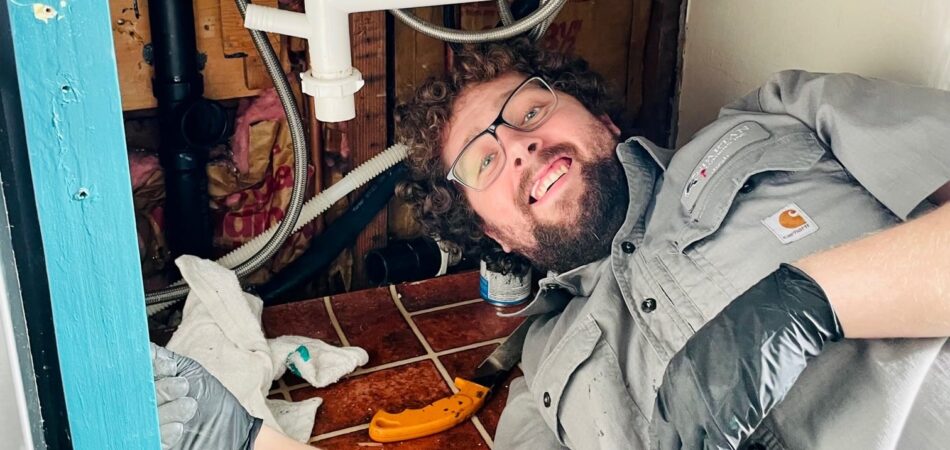
A clean drain system does more than keep sinks and tubs usable. It protects flooring, cabinets, wall cavities, and indoor air quality. In a place like Tacoma, where wet weather is part of life for much of the year, small drainage problems often stay hidden until they become expensive. A kitchen line that drains a little slower in October can turn into a backed-up sink during a holiday weekend. A bathroom drain with years of soap residue can start holding standing water just when colder weather makes mildew harder to control.
That is why homeowners benefit from a practical routine, not just a reactive fix. Residential Drain Cleaning Tacoma is not only about clearing dramatic clogs. It is also about reducing wear on pipes, catching warning signs early, and keeping wastewater moving the way it should. In my experience, the homes that avoid messy surprises are usually not the ones with the newest plumbing. They are the ones where someone pays attention to small changes and handles routine maintenance before a plumber has to respond to an emergency.
Tacoma homes vary widely. Some have older galvanized or cast-iron piping, some have updated PVC drain lines, and some have a mix of both because renovations happened in stages. That matters. Older pipes tend to collect buildup faster, and they can react poorly to aggressive chemical products or rough cleaning methods. Newer systems are usually more forgiving, but even they can clog from grease, hair, wipes, food scraps, and scale. The best checklist is one that helps you spot what your particular home is dealing with, then act before damage spreads.
Why drain cleaning deserves a place in regular home care
Most homeowners think about roofs, furnaces, and water heaters because those systems come with obvious maintenance schedules. Drains rarely get the same attention. The problem is that a drain line can fail quietly. A toilet may still flush. A sink may still empty, just more slowly. A shower may not overflow, but it may leave a ring of dirty water around your feet every morning. These seem minor until buildup hardens or a partial blockage catches enough debris to become a full obstruction.
There is also a sanitation issue that people underestimate. Organic matter trapped in drains starts to decompose. In kitchen lines, that often means grease mixed with food particles. In bathroom lines, it is typically soap scum, hair, skin oils, and residue from grooming products. In laundry drains, lint and detergent sludge can cling to pipe walls. None of that improves with time. It feeds odor, encourages bacterial growth, and makes the pipe interior narrower.
I have seen homeowners spend money replacing a faucet, recaulk a shower, or deep-clean a garbage disposal, only to discover the real source of the bad smell was a neglected branch drain several feet below. The surface looked clean. The pipe itself was not.
What Tacoma homeowners should pay closer attention to
Local climate and housing stock create a few patterns worth noting. Heavy seasonal rain does not directly clog interior drain lines, but it can expose weaknesses fast. If your system already has slow drainage, a sewer lateral issue, or a partially blocked line, periods of sustained moisture can make the situation harder to ignore. Ground movement, root activity, and saturated soil can all add stress to older underground piping.
Tree roots are especially relevant for homes with mature landscaping. Roots do not need a wide opening. They seek moisture and can exploit a tiny crack or loose joint in an aging sewer line. At first, the line may still function, just poorly. Then paper and solids catch on the intrusion, and the blockage grows. Many people assume root problems announce themselves suddenly, but often there are months of subtle warning signs.
Tacoma also has many homes where improvements were done over time by different owners. That means a house may have a newer kitchen drain tied into an older main line, or a modern bathroom sitting above plumbing that has not been inspected in decades. Those hybrid systems are common. They are not automatically a problem, but they do require better judgment when symptoms appear. A quick drain opener from the hardware store might clear one section while doing nothing for the real restriction farther down the line.
The homeowner’s drain cleaning checklist
Use this checklist as a practical baseline. It is meant for normal residential upkeep, not for severe backups or suspected sewer failure.
- Test every fixture for drainage speed and listen for gurgling, especially sinks, tubs, showers, and toilets.
- Check for odors near drains, under sinks, around the laundry area, and close to floor drains.
- Remove and clean accessible stoppers, strainers, and traps where safe and appropriate.
- Look under cabinets and around toilet bases for moisture, staining, or warped materials.
- Schedule professional cleaning or inspection if more than one fixture shows symptoms at the same time.
This is the kind of routine that catches issues early. A single slow bathroom sink may just need a stopper cleaned. A slow sink plus a gurgling tub plus a toilet that bubbles when the washer drains is a different story. That pattern suggests the problem could be deeper in the system.
How to tell whether you have a simple clog or a larger drain problem
Homeowners often ask where the line is between ordinary maintenance and something more serious. A simple clog usually affects one fixture. Hair in one tub drain, toothpaste sludge in one bathroom sink, or food debris in one kitchen line often behaves locally. You notice the symptom in one place, and the rest of the house works normally.
A larger issue tends to show itself across multiple fixtures or in strange interactions. Flush a toilet and the nearby shower drain burps. Run the washing machine and a utility sink starts backing up. Use the kitchen sink and hear bubbling from another room. Those cross-signals matter because they point to shared piping, venting trouble, or a developing blockage in a larger drain section.
Here are a few signs that should move the issue up your priority Residential Drain Cleaning Tacoma list:
- Repeated clogs in the same fixture after you have already cleaned the visible drain
- Water backing up in a second fixture when another one is in use
- Persistent sewage or rotten odors that return soon after cleaning
- Gurgling noises from drains or toilets during normal use
- Slow drainage throughout the house, not just in one sink or tub
When homeowners ignore those symptoms, they usually lose the chance to solve the problem cheaply. A minor cleaning visit is one thing. Water damage repair, cabinet replacement, or sewer line excavation is another.
Kitchen drains need a different kind of attention
Kitchen drains fail for predictable reasons, but the buildup is often worse than people expect. Grease is the obvious culprit, yet it is only part of the story. The real issue is what grease becomes once it cools inside the pipe. It coats the interior, then catches food particles. Coffee grounds, rice, starchy residue, eggshell fragments, and fibrous vegetable scraps all contribute to the mass.
A garbage disposal does not prevent this. It only grinds waste into smaller pieces. If too much organic material goes down with too little water, the line still accumulates sludge. I have looked into kitchen drains that seemed only mildly slow at the sink but were narrowed enough deeper in the pipe that a holiday cooking session would almost certainly have caused a backup.
For regular care, physical prevention beats chemical correction. Use a sink strainer. Scrape plates into the trash or compost before rinsing. Treat grease as a solid waste problem, not a drain problem. Let it cool and dispose of it properly rather than chasing it with hot water and dish soap. That old habit feels harmless in the moment, but over time it is a major contributor to residential drain cleaning calls.
If your kitchen sink drains slowly despite good habits, there may be buildup in the trap arm or farther along the branch line. If there is a disposal, check whether it is draining poorly because of food sludge, a partial jam, or a downstream restriction. These distinctions matter. Replacing a disposal will not solve a line clog.
Bathroom drains can look clean and still be clogged
Bathrooms are deceptive because the buildup often hides below the drain cover. Hair wraps around stoppers and catches soap residue. Thick conditioner, shaving cream, bath products, and mineral deposits create a paste that adheres to pipe walls. In homes with multiple users, especially where long hair is involved, a shower drain can lose a surprising amount of carrying capacity in a short time.
One of the most common maintenance wins is simply pulling and cleaning the stopper assembly in a bathroom sink. Homeowners are often shocked by what is attached to it. The same goes for shower strainers. This is not glamorous work, but it is effective. It also gives you a chance to inspect the condition of visible metal parts, seals, and drain openings before corrosion or looseness turns into a leak.
Toilets are a separate category. A toilet that clogs occasionally because of too much paper is one thing. A toilet that regularly flushes weakly, bubbles, or rises before draining can indicate a blockage farther down the line. Toilets should not be treated with casual experimentation. If plunging does not resolve the problem quickly, and especially if another fixture reacts when the toilet is used, it is time to stop guessing.
Laundry and utility drains are easy to overlook
Laundry drains are not discussed enough in most home maintenance guides. They should be. Washer discharge moves a lot of water quickly, and that volume can expose a partial blockage before sinks or tubs do. When a standpipe overflows or the floor near the washer gets wet during a drain cycle, the cause may be lint buildup, detergent residue, a poorly maintained trap, or a deeper line restriction.
Utility sinks also collect unusual debris, paint residue, mop water, pet wash sediment, and workshop grime. These fixtures get used hard and cleaned lightly. If your laundry area smells musty or sewer-like, do not assume it is only dampness in the room. The drain itself may be holding buildup or allowing gas to escape because of a trap issue or venting problem.
Floor drains deserve a mention too. In some homes they sit unnoticed until there is an emergency. If a floor drain dries out, the water seal in the trap can evaporate and allow sewer odor into the space. A little water added periodically may solve that, but recurring odor or slow acceptance of water points to a larger drainage concern that should be checked.
What not to do when a drain slows down
The biggest mistake is reaching immediately for harsh chemical cleaners. They promise speed, but they come with trade-offs. On older pipes, repeated use can contribute to deterioration. On any system, they may sit in standing water without fully clearing the blockage. Then, when a plumber opens the line, that trapped chemical becomes a safety hazard.
Another mistake is overusing drain tools without understanding pipe layout. A short plastic hair tool in a sink or tub is one thing. Forcing a rented auger through an unfamiliar line is another. I have seen trap assemblies loosened, old fittings cracked, and chrome Residential Drain Cleaning Tacoma finishes destroyed by well-intended efforts. If the clog is near the surface, careful cleaning is reasonable. If it resists, keep your pride cheaper than your repair bill.
Hot water can help with minor soap or grease residue, but it is not a cure-all. Baking soda and vinegar are often recommended, and they may freshen a drain or loosen light buildup, but they are not a substitute for real mechanical cleaning when the line is substantially restricted. Homeowners get into trouble when they mistake temporary improvement for actual resolution.
When professional drain cleaning is the smarter choice
There is a point where professional service is simply more efficient and more accurate. If symptoms affect multiple fixtures, if backups recur, or if the home has a history of sewer issues, guessing becomes expensive. A trained technician can determine whether the problem is localized or part of a main line issue. That distinction saves time and avoids unnecessary work.
Professional Residential Drain Cleaning Tacoma services often involve methods homeowners do not have access to or should not attempt alone. Mechanical snaking can break through or retrieve certain obstructions. Camera inspections can reveal root intrusion, offsets, heavy scale, or collapsed sections. Hydro jetting may be appropriate in some systems, but not all. Pipe material, age, and condition determine what is safe. That judgment is where experience matters most.
A camera inspection is particularly valuable when the same line clogs again after being cleared. Repeated symptoms usually mean there is an underlying condition, not just bad luck. You want to know whether you are dealing with grease accumulation, corrosion, bellied pipe, root intrusion, or a damaged lateral. The repair approach changes depending on the answer.
Seasonal timing makes a difference
Drain maintenance tends to get postponed until there is a problem, but timing your inspection or cleaning can prevent the worst disruption. Many homeowners benefit from checking their system before the wettest part of the year and again after periods of heavy use. Heavy use often means holidays, school breaks, houseguests, or seasons when everyone is home more often.
There is a practical reason for this. Drains under moderate stress may function adequately day to day, then fail when demand spikes. A line that handles two quick showers may not handle four long ones in succession. A kitchen drain that survives routine meals may not survive a weekend of cooking, cleanup, and disposal use. Preventive service tends to feel optional until the house is full and a sink stops draining.
For homes with older plumbing or mature trees near the sewer route, a proactive schedule makes even more sense. You do not need to over-service a healthy system, but if your house has a known pattern, respecting that pattern usually costs less than ignoring it.
The home-safety angle people miss
Drain care is often treated as a convenience issue, yet it has direct safety implications. Water escaping where it should not can damage subfloors, loosen tile, stain drywall, and create slip hazards. Slow leaks under sinks can support mold growth inside cabinets and wall cavities. Sewer gas from a dry or compromised drain can make a space unpleasant and signal a system that needs attention.
There is also a contamination risk when wastewater backs up into fixtures. A tub or sink that fills with dirty water from another line is not just annoying. It means waste is moving in the wrong direction. Clean-up in those cases needs more than a towel and a fan. Materials may require disinfection, and porous items sometimes need to be discarded if the backup is severe.
Families with young children, older adults, or anyone with respiratory sensitivities should take drain odors and moisture seriously. Persistent dampness under a vanity or around a laundry area can affect indoor conditions long before visible damage looks dramatic.
A practical rhythm for ongoing drain care
Good drain maintenance is not obsessive. It is observant. Once a month, pay attention to how fixtures sound and how fast they drain. Every few months, clean accessible stoppers and strainers. If you notice odor, bubbling, or repeat slowdowns, do not wait to see if it magically disappears. It usually does not.
Homes teach their owners their habits over time. Some houses need almost no intervention beyond basic cleaning and common sense. Others, especially older homes or homes with root-prone sewer laterals, need periodic professional help to stay trouble-free. Neither situation is unusual. What matters is responding to your actual system rather than hoping all drains behave the same way.
A cleaner, safer home often comes down to routines that are easy to overlook because they happen behind walls and under floors. Drains are part of that hidden infrastructure. When they work, no one thinks about them. When they fail, they demand attention immediately. A simple checklist, a little awareness, and the willingness to bring in help when the warning signs line up can spare you the most expensive version of the problem.
Spartan Plumbing Services
Address: 760 107th St S, Tacoma, WA 98444
Phone number: +12534998773
FAQ About Residential Drain Cleaning Tacoma
How much does it cost to have someone clean your drains?
Professional drain cleaning costs between $147 and $352 on average, with most homeowners paying around $246. The final price is heavily determined by the type of drain affected, the clearing method needed, and your geographic location.
How much does it cost to clean a drain line?
Professional drain cleaning costs between $147 and $352 on average, with most standard residential jobs landing right around $246. However, your final bill can scale from $100 to over $800 depending entirely on which drain is clogged and the method required to clear it.
Is professional drain cleaning worth it?
Yes, professional drain cleaning is worth it because it clears deep buildup and prevents expensive plumbing emergencies.